

Invoices are more than just bills. They are legal and financial documents that help businesses get paid, stay organized, and maintain clear records. Missing important details can lead to delays, confusion, or disputes with clients.
Whether you are a freelancer, small business owner, or eCommerce store manager, knowing the invoice elements that make an invoice professional can save you time and improve cash flow.
This guide walks you through the essential invoice elements and shows how to create an invoice correctly, even if you’re a beginner, so your billing is accurate and hassle-free.
Key Takeaways
- Professional invoices improve client trust and payment speed.
- Clear line items prevent confusion and disputes.
- Proper tax and compliance information ensures legality.
- Multiple payment options increase convenience and efficiency.
- Personalized notes and branding strengthen client relationships.
The 10 Essential Elements Every Invoice Must Include
A well-structured invoice includes several components that work together to make it clear, accurate, and professional.
Understanding these elements ensures your invoices are easy for clients to read, legally compliant, and effective in encouraging prompt payment.
1. Business Identity and Branding Information
Your business identity is the first thing clients notice on an invoice. Adding a company logo helps your invoice look professional and consistent with your brand. Include your legal business name, registered address, phone number, email, and any tax identification numbers.
A clear header with your logo at the top-left or center reinforces brand recognition and builds trust. These details establish your credibility and ensure clients know who they are dealing with.
2. Seller and Buyer Contact Information
Every invoice must include both your contact information and the client’s. The seller’s details should include email, phone, and support contact options, while the buyer’s details should cover the billing address, shipping address, and the company or individual name.
Accurate information makes it easier for clients to reach you with questions and ensures smooth record-keeping. Misplaced or missing contact details can cause delays or miscommunication.
3. Unique Invoice Number and Reference IDs
An invoice number is a unique identifier for tracking payments and organizing records. Sequential numbers, customer-specific codes, or combined prefixes help avoid duplication and maintain clear accounting.
Reference IDs or project codes allow both parties to match invoices with specific services or orders. Proper numbering creates a reliable system for audits and internal tracking.
4. Invoice Date and Payment Due Date
Dates on an invoice show when the document was issued and when the payment is due. Include the invoice issue date and a clear due date, such as “Net 15” or “Net 30,” which indicates payment is expected within 15 or 30 days.
This ensures clients know the timeline and prevents delays. Including both dates also helps with bookkeeping and clarifies when services or products were delivered.
5. Detailed Product or Service Breakdown
The heart of every invoice is the line-item description of products or services provided. List each item with a clear description, quantity, unit price, and subtotal. Include model numbers, service dates, or other specific attributes to avoid confusion.
Detailed breakdowns make it easier for clients to verify charges, reduce disputes, and speed up payment. Avoid vague terms like “services rendered” or “goods supplied,” which often cause questions.
6. Pricing Structure and Cost Summary
After listing products and services, summarize the costs in a clear and easy-to-read format. Include the subtotal, discounts, additional fees, and the final total amount due.
Display the total prominently, possibly in bold or in a box, so clients can quickly see the amount to pay. Providing a clear pricing structure ensures transparency and reinforces trust between you and your clients.
7. Tax Information and Compliance Details
Including tax information is crucial for legal compliance and accounting accuracy. Mention applicable taxes such as VAT, GST, or sales tax, along with the tax rate and the total tax amount.
Add your tax identification number where required. Displaying tax information clearly helps clients understand the calculation and prevents potential legal or financial issues.
8. Accepted Payment Methods and Instructions
Clearly indicate the payment methods you accept, including bank transfers, credit or debit cards, PayPal, and other online options. Include account details, reference numbers, or links for online payments to make the process easy.
Providing multiple options increases the likelihood of prompt payment. Adding clear instructions reduces confusion and supports smooth financial transactions.
9. Payment Terms, Late Fees, and Status Indicators
Define the terms of the transaction, including due dates, early payment discounts, or penalties for late payment. For example, “A 2% discount applies if paid within 10 days” or “A 1.5% late fee will apply after the due date.”
Including status indicators, such as Paid, Unpaid, or Overdue, helps both you and your clients track payments. Clear payment terms reduce misunderstandings and encourage timely settlement.
10. Notes, Policies, and Trust Signals
Adding personal notes or additional instructions creates a positive impression and strengthens client relationships. You can include a simple “Thank you for your business,” reminders of future services, or details about returns and refunds.
Adding trust signals like confidentiality statements or guarantees further reassures clients. These small touches make your invoice professional, complete, and client-friendly.
Common Invoice Mistakes Businesses Should Avoid
- Missing or unclear due dates
- Vague or incomplete product/service descriptions
- Incorrect seller or client contact information
- Miscalculated totals or subtotals
- Missing or incorrect tax details
- Inconsistent formatting or layout
- Lack of thorough review before sending
How Digital Invoices Improve Accuracy
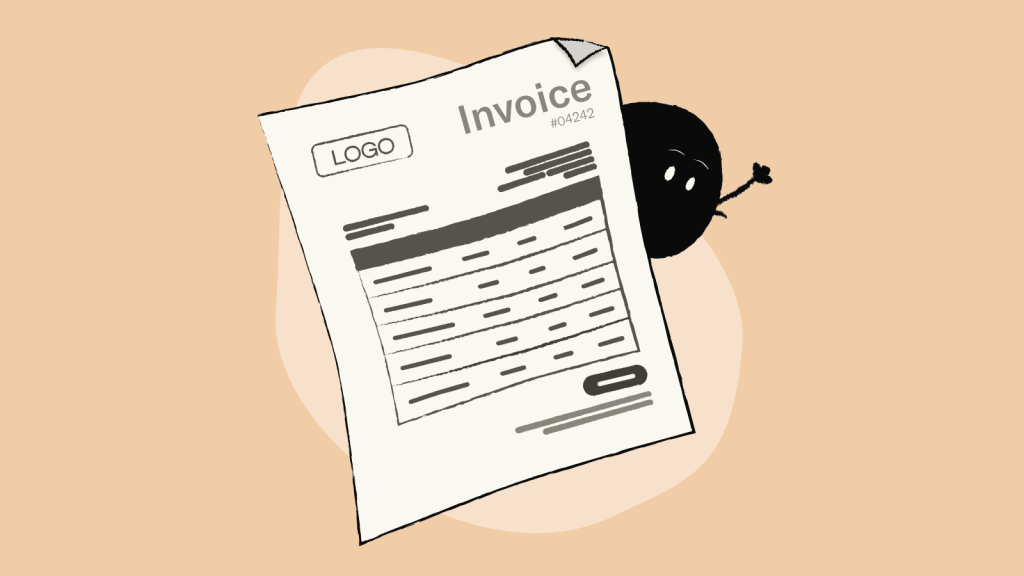
Digital invoices help businesses reduce mistakes by automating key details like invoice numbers, tax rates, and payment terms. They support all types of invoices, ensuring consistency and compliance across every billing document.
Automation also speeds up processing, allowing clients to pay instantly via secure links. By minimizing human error and standardizing invoice formats, digital invoicing improves accuracy, saves time, and enhances cash flow, making financial management simpler for freelancers, small businesses, and large enterprises alike.
Conclusion
Creating professional invoices with all essential elements is crucial for receiving payment faster, avoiding disputes, and maintaining a clear financial record. Clear, detailed invoices make it easy for clients to understand charges, know the payment process, and comply with legal requirements.
By implementing these 10 elements, businesses of all sizes can streamline billing, improve cash flow, and present a professional image.
FAQs
Main elements include invoice number, date, seller and buyer details, product or service list, taxes, total amount, and payment terms.
Every invoice should include a unique invoice number, issue date, seller and client details, itemized products or services, taxes, and total due.
Essential invoice elements are invoice number, date, seller and client information, itemized charges, taxes, payment terms, and total amount.
A GST invoice must include the seller GSTIN, invoice number, date, buyer details, itemized products/services, tax rates, and total GST payable.
Include invoice number, issue date, seller and buyer details, product descriptions, quantity, unit price, taxes, discounts, total amount, and payment instructions.