

Every business transaction needs clarity, accountability, and a reliable way to request payment, and that’s exactly where invoices come in. An invoice is more than just a payment document. It’s a critical record that helps businesses track sales, manage cash flow, and maintain professional relationships with customers.
Whether you’re a freelancer, small business owner, or growing enterprise, understanding what an invoice is, its purpose, and why it matters is essential.
In this article, we’ll explain the meaning of an invoice, how it works, and why it plays a vital role in business operations.
What is an Invoice?
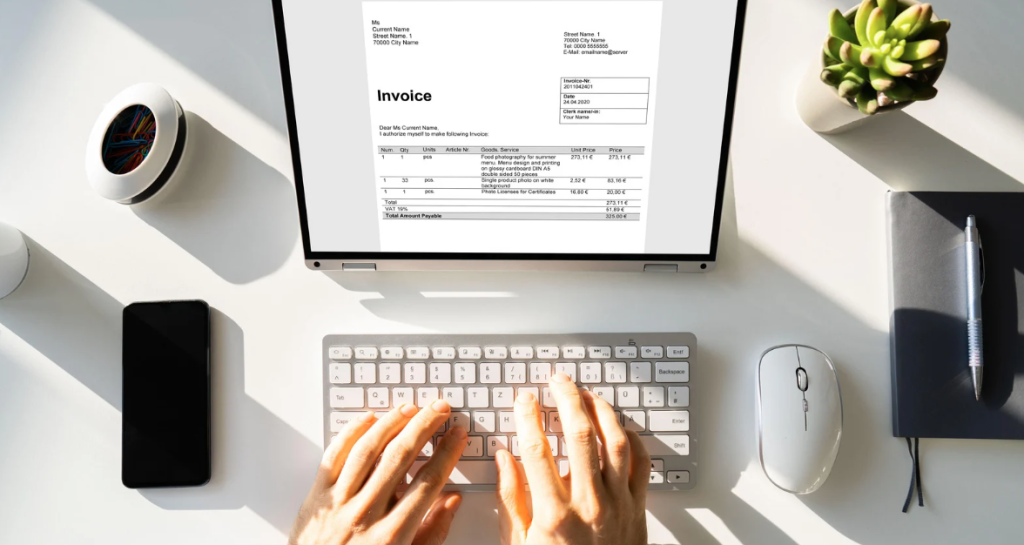
An invoice is a formal document issued by a seller to a buyer that outlines the details of a transaction and requests payment for goods sold or services provided. It serves as an official record of what was delivered, the agreed price, applicable taxes, and payment terms.
They typically include essential information such as the invoice number, date, seller and buyer details, itemized descriptions, and the total amount due.
For businesses, it acts as both a financial and legal document, helping track income, manage accounts, and ensure timely and accurate payments.
How Does an Invoice Work?
An invoice works as a formal request for payment that outlines the details of a transaction between a seller and a buyer.
Once goods are delivered or services are provided, the seller creates this billing document specifying the items or services, their costs, applicable taxes, and the payment due date.
The buyer receives it, reviews it, and processes the payment according to the terms stated. This process not only ensures that the seller gets paid but also creates a documented record for accounting, tax, and legal purposes.
Key Components of an Invoice
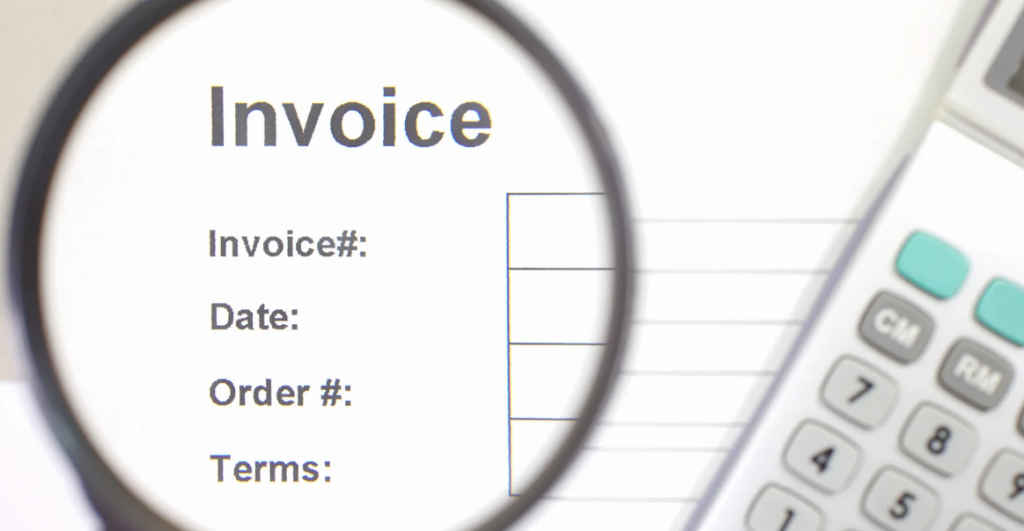
To be effective and legally valid, an invoice must include certain essential elements. These components ensure clarity, accuracy, and smooth payment processing.
Invoice Number
A unique invoice number helps identify each transaction and makes it easier to track payments, manage records, and resolve disputes.
Invoice Date and Due Date
The date shows when it was issued, while the due date specifies when payment is expected. These dates are crucial for managing cash flow and avoiding late payments.
Seller and Buyer Information
This includes the business name, address, and contact details of both the seller and the buyer, ensuring clear identification of the parties involved.
Description of Goods or Services
A detailed, itemized list of products or services provided, including quantities, rates, and any applicable discounts, helps prevent confusion.
Taxes and Additional Charges
Any taxes, fees, or shipping costs should be clearly listed to maintain transparency and comply with tax regulations.
Total Amount Due
This section shows the final payable amount after adding taxes and charges, making it easy for the buyer to know exactly what they owe.
Payment Terms and Methods
Payment terms outline how and when payment should be made, including accepted payment methods and late fee policies.
What Is the Purpose of Invoices?
Invoices play a central role in business transactions by clearly communicating payment expectations and documenting sales activities. Beyond requesting payment, they help businesses stay organized, compliant, and financially stable by creating a reliable paper trail for every transaction.
The main purposes include:
- Requesting payment for goods sold or services provided
- Recording transactions for accounting and bookkeeping
- Providing legal proof of a sale or agreement
- Supporting tax reporting and compliance
- Tracking cash flow and outstanding payments
- Reducing payment disputes through clear, itemized details
- Maintaining professional communication with customers
Why Invoices are Important for Businesses
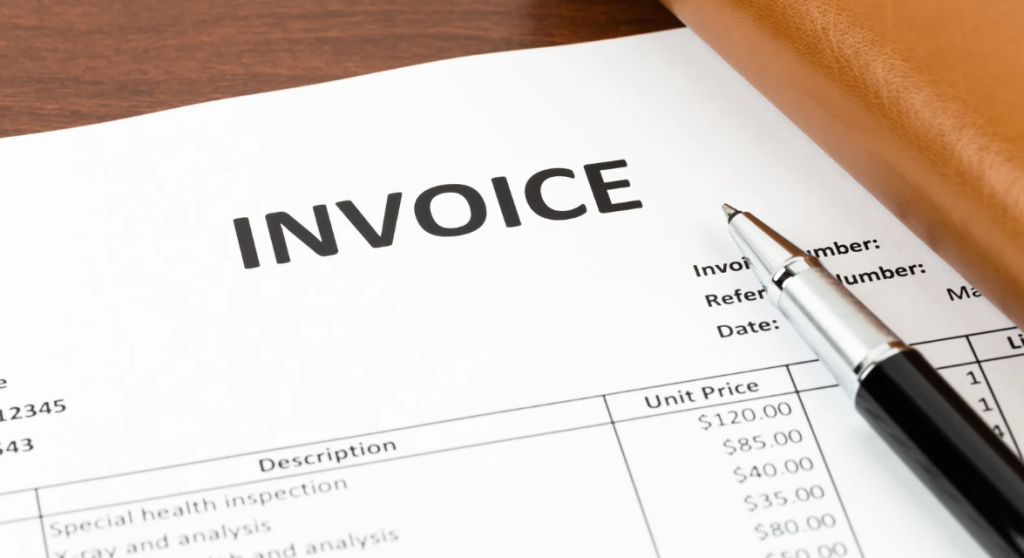
Invoices are essential tools that support a business’s financial health, legal compliance, and professional credibility. The following points explain how they are important for businesses:
Ensures Timely and Accurate Payments
These bills clearly communicate how much is owed, what the payment is for, and when it is due. By setting clear expectations, they reduce confusion, minimize late payments, and help businesses receive payments on time.
Supports Financial Record-Keeping
They serve as a documented record of a sale, making it easier to track income, reconcile accounts, and maintain accurate bookkeeping.
This organized record-keeping is essential for financial analysis and decision-making.
Helps with Tax Compliance
These documents provide detailed transaction information required for tax reporting, including sales tax or VAT. They act as supporting documents during audits and help businesses comply with tax regulations.
Improves Cash Flow Management
Tracking issued, paid, and outstanding bills allows businesses to monitor cash inflows and identify payment delays. This insight helps in forecasting cash flow and planning operational expenses more effectively.
Strengthens Professional Image
A well-designed, detailed document reflects professionalism and reliability. It reassures clients that the business is organized, transparent, and serious about its financial processes.
Reduces Payment Disputes
By clearly outlining services, costs, taxes, and payment terms, invoices help prevent misunderstandings. In case of disputes, they also serve as a reference point to resolve issues quickly and fairly.
Creating an Invoice for Your Business:
Creating an invoice is a straightforward process, but it requires accuracy and consistency to ensure smooth payments and proper record-keeping.
A well-prepared payment document not only helps you get paid on time but also reflects professionalism and builds trust with your customers.
Key steps involved include:
- Adding your business name, logo, and contact details
- Assigning a unique invoice number for tracking
- Including the invoice date and a clear payment due date
- Listing products or services with detailed descriptions and prices
- Applying applicable taxes, discounts, or additional charges
- Clearly stating the total amount payable
- Defining payment terms and accepted payment methods
If you want to create invoices automatically without the hassle of manual formatting, you can use the CreateInvoices tool. It’s a free platform that offers a simple and user-friendly way to generate professional billing documents quickly, helping you save time and avoid errors.
Pro Tips for Creating an Invoice:
Here are some tips that can be helpful to you:
- Make it easy to read and understand.
- Always add contact information and detailed item descriptions.
- Highlight the due date to avoid confusion.
- Use unique invoice numbers. This helps with better tracking and record management.
- Issue right after delivering goods or services to speed up payment.
- Offer multiple payment options. It makes things easier for clients to pay.
- Double-check calculations. Ensure totals, taxes, and discounts are correct to prevent errors.
Final Thoughts:
Invoices are a fundamental part of running a successful business, serving not only as a request for payment but also as a reliable record of transactions. They help businesses manage cash flow, maintain accurate financial records, comply with tax regulations, and strengthen professional relationships with clients.
By creating clear, detailed, and timely billing documents, businesses can ensure smoother operations, reduce payment disputes, and build trust, ultimately supporting long-term growth and financial stability.
Frequently Asked Questions (FAQs):
Businesses should generally keep them for at least 5 to 7 years for tax and legal purposes. This ensures proper record-keeping in case of audits or disputes.
Yes, they can be handwritten as long as they include all the necessary details. However, digital invoices are easier to track, store, and manage.
Taxes depend on your business type, location, and local regulations. Always check applicable tax laws to determine whether to include sales tax, VAT, or other charges.
It should be sent as soon as goods or services are delivered. Prompt invoicing helps maintain cash flow and ensures timely payment.
Yes, but only if both parties agree to the changes. Any adjustments should be clearly documented to avoid confusion or disputes.