

Understanding the difference between an invoice and a receipt is essential for both businesses and consumers. While they may seem similar, these documents serve very different purposes in financial transactions.
An invoice is a request for payment, outlining what is owed, whereas a receipt is proof that a payment has been made.
Confusing the two can lead to bookkeeping errors, missed payments, or disputes. In this article, we’ll break down the key differences between invoices and receipts, explain their roles, and help you know when to use each effectively.
What is an Invoice?
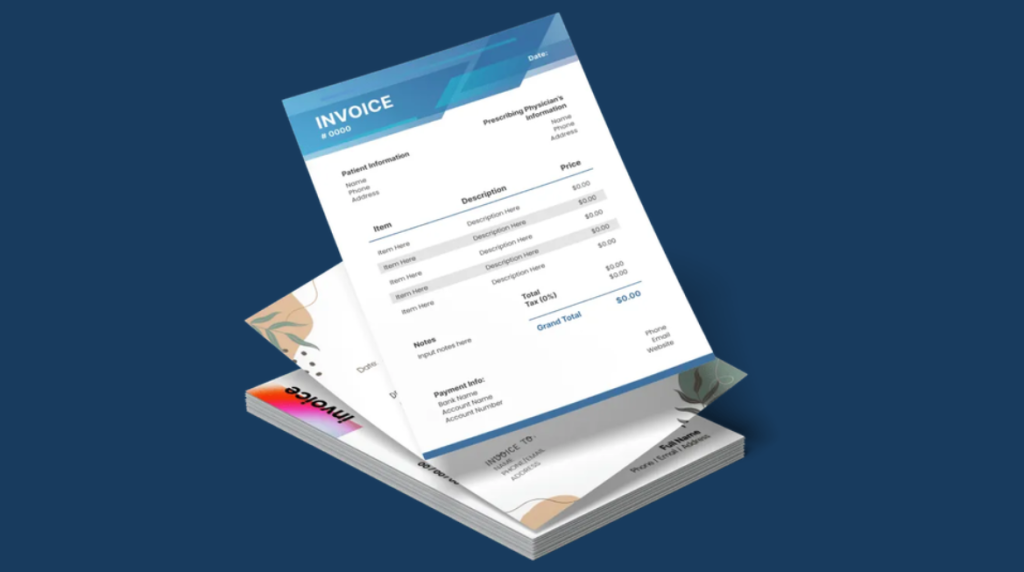
An invoice is a formal document issued by a seller or service provider to request payment from a buyer. It outlines the goods or services provided, the quantity, the price, and the total amount due.
Invoices typically include essential details such as the invoice number, date of issue, payment terms, and contact information of both parties.
Their primary purpose is to notify the buyer of the amount owed and to create a legal and accounting record for both sides. They are commonly used in businesses of all sizes to manage payments, track sales, and ensure smooth cash flow.
What is a Receipt?
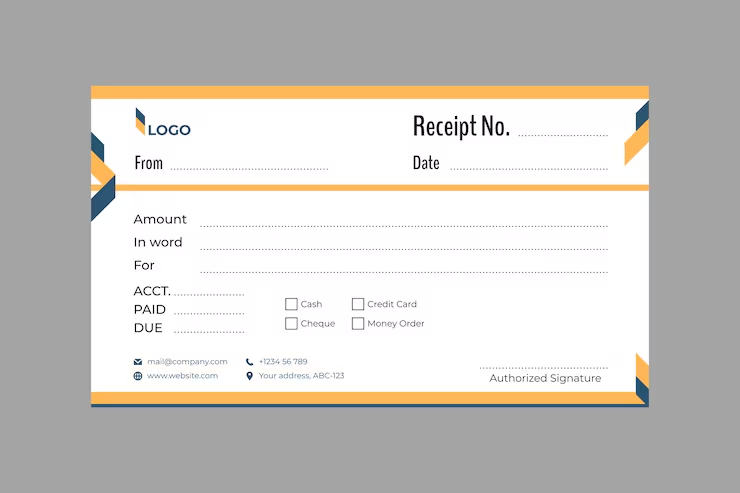
A receipt is an official document that serves as proof of payment for goods or services. It is issued by the seller or service provider to the buyer once the transaction is complete.
A typical receipt includes details such as the date of purchase, items or services bought, the total amount paid, payment method, and sometimes taxes applied. Unlike an invoice, a receipt confirms that payment has already been made.
Key Features of an Invoice:
Invoices are more than just a request for payment. They are formal documents that contain several key features to ensure clarity, legal validity, and smooth financial management. Below are the main components that make it effective:
1. Invoice Number
Each one is assigned a unique number for easy identification and tracking. This helps businesses manage records, prevent duplication, and reference specific transactions in case of disputes or audits.
2. Date of Issue
The date the document is created is crucial. It establishes the start of the payment period and is used to calculate due dates or late payment penalties.
3. Seller and Buyer Information
It usually clearly lists the contact details of both the seller and the buyer, including names, addresses, and, in some cases, tax identification numbers. This ensures accountability and proper record-keeping.
4. List of Products or Services
It provides a detailed breakdown of goods or services provided, including quantities, descriptions, unit prices, and any applicable discounts. Transparency here prevents confusion and disputes.
5. Total Amount Due
It clearly states the total payment required, including taxes, shipping, or additional charges if applicable. This is the central purpose of the document, letting the buyer know exactly what is owed.
6. Payment Terms
This section specifies when and how payment should be made, including due dates, accepted payment methods, and late fee policies. Clear payment terms encourage timely payment and avoid misunderstandings.
7. Additional Notes (Optional)
Some documents include extra details, such as special instructions, warranty information, or thank-you messages. While optional, these notes can enhance communication and customer relations.
Key Features of a Receipt:
Receipts are crucial documents that serve as proof of payment, helping both buyers and sellers maintain accurate records. A well-prepared receipt typically includes several key features to ensure clarity and validity:
1. Receipt Number
Many receipts have a unique number or code for easy tracking and reference. This helps both businesses and customers locate specific transactions quickly when needed.
2. Date of Payment
The receipt must clearly show the date the payment was made. This confirms when the transaction was completed and is often required for accounting or warranty purposes.
3. Seller Information
Receipts include details about the seller, such as business name, address, and contact information. This ensures the buyer knows exactly who issued the receipt.
4. Buyer Information (Optional)
Some receipts also list the buyer’s details, particularly for larger transactions or business-to-business dealings. This can help with record-keeping and future correspondence.
5. List of Items or Services Purchased
A receipt outlines what was bought or paid for, often including quantity, description, and individual prices. This makes it easy to verify the transaction and compare it with previous invoices.
6. Total Amount Paid
Receipts clearly display the total amount paid, including taxes, discounts, or additional fees. This confirms the buyer has fulfilled the payment obligation.
7. Payment Method
The receipt indicates how the payment was made, such as cash, credit/debit card, bank transfer, or digital payment. This helps both parties reconcile accounts.
8. Additional Notes (Optional)
Some receipts may include warranty information, return policies, or promotional messages. While optional, these details provide added value to the customer.
Difference Between an Invoice and a Receipt:
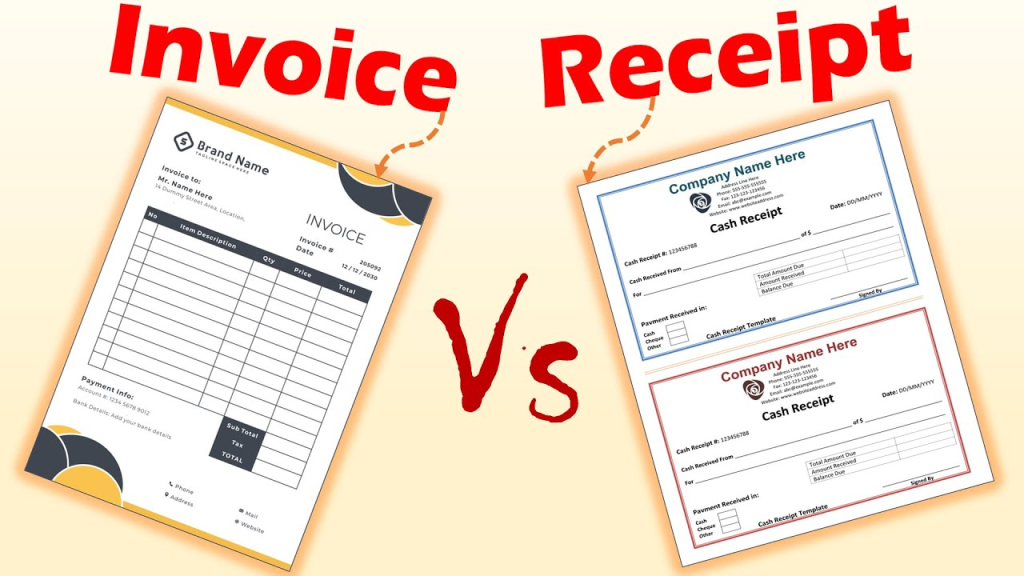
The following points explain the key differences between an invoice and a receipt:
Timing
· Invoice: Issued before payment to request the amount due.
· Receipt: Issued after payment to confirm the transaction.
Purpose
· Invoice: Requests payment and outlines what the buyer owes.
· Receipt: Provides proof that payment has been completed.
Key Details Included
· Invoice: Invoice number, items/services, total amount due, payment terms.
· Receipt: Date of payment, items/services purchased, total paid, payment method.
Legal & Accounting Role
· Invoice: Supports accounting, bookkeeping, and legal requests for payment.
· Receipt: Serves as proof of payment for records, taxes, and warranties.
Use Case
· Invoice: Helps businesses track outstanding payments and manage cash flow.
· Receipt: Helps buyers verify purchases and maintain financial records.
Pros & Cons of an Invoice:
Invoices are essential for businesses, but like any tool, they come with advantages and potential drawbacks. Understanding these can help businesses use them effectively.
Pros:
· Formal payment request: Clearly communicates the amount owed and payment terms.
· Legal and accounting records: Serves as documentation for audits, taxes, and bookkeeping.
· Professionalism: Reflects an organized and reliable business image.
· Cash flow management: Helps track unpaid amounts and plan finances.
· Customizable: Can include discounts, taxes, and detailed descriptions of goods/services.
Cons:
· Requires follow-up: Payment is not guaranteed; reminders may be needed.
· Time-consuming: Creating detailed invoices for each client can take effort, especially manually.
· Potential errors: Mistakes in prices, quantities, or details can delay payments or cause disputes.
· No proof of payment: It only requests payment. It doesn’t confirm it.
Pros & Cons of a Receipt
Receipts are vital for confirming transactions, but they also have their strengths and limitations. Understanding these helps both businesses and consumers manage payments effectively.
Pros:
· Proof of payment: Confirms that the buyer has completed the transaction.
· Easy record-keeping: Helps track expenses, returns, and warranties.
· Quick to issue: Typically simpler and faster to generate than invoices.
· Supports accounting and taxes: Provides evidence for bookkeeping and tax filings.
· Enhances customer trust: Gives buyers confidence that the transaction is official.
Cons:
· No payment request: Doesn’t remind buyers to pay. It only confirms payment.
· Limited detail: Usually less detailed than an invoice, which may not fully explain the transaction.
· No legal claim on payment: Cannot be used to demand outstanding payment.
· Can be lost easily: Paper receipts can be misplaced, leading to difficulties in proof or returns.
Invoice vs Receipt – A Head-to-Head Comparison:
| Feature | Invoice | Receipt |
| Purpose | Requests payment for goods or services | Confirms payment has been made |
| Timing | Issued before payment | Issued after payment |
| Legal Role | Can serve as a formal request and accounting record | Serves as proof of completed transaction |
| Key Details | Invoice number, items/services, amount due, payment terms | Date of payment, items/services, amount paid, payment method |
| Issued By | Seller or service provider | Seller or service provider |
| Recipient | Buyer (to request payment) | Buyer (to confirm payment) |
| Pros | Tracks payments, supports accounting, professional | Confirms payment, aids record-keeping, builds trust |
| Cons | Payment not guaranteed, time-consuming, errors possible | Doesn’t request payment, less detailed, can be lost easily |
Final Thoughts:
Understanding the difference between an invoice and a receipt is key to smooth financial management for both businesses and consumers. Invoices are used to request payment and track amounts owed, while receipts confirm that payment has been completed.
Using each document correctly ensures accurate record-keeping, reduces disputes, and strengthens professional relationships. By knowing when to issue an invoice versus a receipt, businesses can maintain cash flow efficiently, and consumers can keep reliable proof of their purchases.
Frequently Asked Questions (FAQs):
Most businesses issue invoices, especially for B2B transactions or larger purchases, to track payments and maintain proper records. Small cash transactions may not require formal invoices, but keeping records is still recommended.
Yes, receipts serve as proof of payment and can be used for tax deductions, expense tracking, and accounting purposes. They are particularly important for business expenses and warranty claims.
If an invoice is unpaid, the seller may send reminders, apply late fees, or take legal action, depending on the agreed terms. Keeping clear payment terms helps prevent confusion and delays.
Yes, electronic or digital invoices and receipts are legally valid in most countries as long as they contain all necessary details. They also make record-keeping and sharing easier compared to paper documents.
No, a receipt cannot replace an invoice because it only confirms payment, not requests it. Invoices are necessary to formally request payment and track outstanding amounts.