

Freelancing offers freedom, flexibility, and the ability to be your own boss. However, one challenge many freelancers face is getting paid on time. Late payments can disrupt cash flow, increase stress, and make it harder to manage personal and business finances.
Timely payments are crucial for managing ongoing expenses and ensuring a consistent workflow. With the right strategies, you can significantly reduce late invoices, improve cash flow, and maintain professional relationships with clients.
In this article, we’ll share 10 proven invoicing tips that help freelancers get paid on time, with actionable advice that anyone can follow.
Key Takeaways
- Accuracy prevents invoice delays.
- Clear contracts and deposits protect your income.
- Automation saves time and ensures reminders are consistent.
- Early payment incentives encourage faster client payments.
- Multiple payment options reduce friction.
- Milestones, vetting, and strong relationships improve payment reliability.
10 Proven Invoicing Tips That Help Freelancers

These 10 proven invoicing tips help freelancers streamline their billing process, reduce late payments, improve cash flow, and maintain professional relationships, ensuring timely payments and smoother financial management for every project.
Tip 1 – Set Clear Payment Terms Before Starting Work
Always define your payment terms upfront. Include the due date, deposit percentage, milestone payments, and late fee policies in your contract. Standard options include Net 7, Net 15, and Net 30.
Requesting 30–50% upfront for new or large projects helps reduce risk and ensures the client is committed. Clear terms in writing eliminate misunderstandings and make it easier to follow up if payments are late.
Tip 2 – Use Professional and Branded Invoice Templates
Professional invoices improve credibility and encourage clients to pay on time. Include your logo, business name, client information, invoice number, itemized services, and payment instructions.
For freelancers in specialized industries, you can adapt electrical invoicing tips, plumbing invoicing tips, or HVAC invoicing tips to suit your services. Branded invoices are easier to track and less likely to be overlooked.
Tip 3 – Automate Invoice Delivery and Payment Reminders
Automation reduces manual work and ensures invoices are sent consistently. Set reminders at intervals such as Day 1 (invoice sent), Day 5 (friendly reminder), Day 10 (firm reminder), and Day 15+ (final notice).
Accounting tools like QuickBooks invoicing tips help automate reminders, schedule recurring invoices, and track client payments. Automated follow-ups prevent human error and make late payments less likely.
Tip 4 – Offer Early Payment Incentives
Encouraging clients to pay early improves cash flow and reduces overdue invoices. Offer small discounts like 2% off if paid within 10 days.
For freelancers providing catering services, invoicing tips for caterers can include early payment discounts for recurring clients. Incentives motivate clients to prioritize your invoice without feeling pressured.
Tip 5 – Accept Multiple Payment Methods
Providing multiple payment options makes it easier for clients to pay promptly. Include bank transfers, credit/debit cards, PayPal, Stripe, or UPI.
Flexibility is key for freelancers in small businesses. Using invoicing tips for small businesses ensures clients from different locations or industries can pay conveniently without delays.
Tip 6 – Break Large Projects into Milestone Payments
For long-term or complex projects, divide payments into milestones tied to deliverables. Examples include 25–50% upfront, 25% upon completion of the first phase, and the remainder at the end.
Milestone payments reduce financial risk, keep cash flowing, and encourage regular client communication. Consultants can use invoicing tips for consultants to structure milestone payments for ongoing contracts.
Tip 7 – Maintain Clear Records for Legal and Tax Purposes
Keep a record of all invoices, receipts, and approvals to avoid disputes. Track the status of invoices: Paid, Pending, or Overdue.
Include tax information and any supporting documentation. Maintaining organized records is vital for freelancers and small businesses alike, helping you stay compliant and professionally prepared for any client queries.
Tip 8 – Vet Clients Before Starting Work
Before accepting work, check the client’s payment history, reviews, and references. Red flags include hesitation to sign contracts, vague project scopes, or a history of late payments.
Screening clients reduces financial risk and avoids wasting time on unreliable clients. Professionals in trades like electricians, plumbers, or HVAC services can combine electrical invoicing tips, plumbing invoicing tips, or HVAC invoicing tips with client vetting for safer projects.
Tip 9 – Implement Late Fees and Escalation Policies
Set consequences for overdue payments. Common strategies include charging 1–2% monthly interest or a flat fee after the due date.
Include escalation steps, such as pausing work, sending formal notices, or using collections as a last resort. Clearly communicate late fee policies in your contract to protect your income and maintain professionalism.
Tip 10 – Build Strong Client Relationships
Clients who feel respected and valued are more likely to pay on time. Communicate regularly, provide updates, and maintain professionalism in all interactions.
Showing genuine interest and being polite in reminders strengthens trust, making the payment process smoother. For small business freelancers, following billing and invoicing tips improves client satisfaction and recurring payments.
Why Freelancers Must Prioritize Invoicing Accuracy
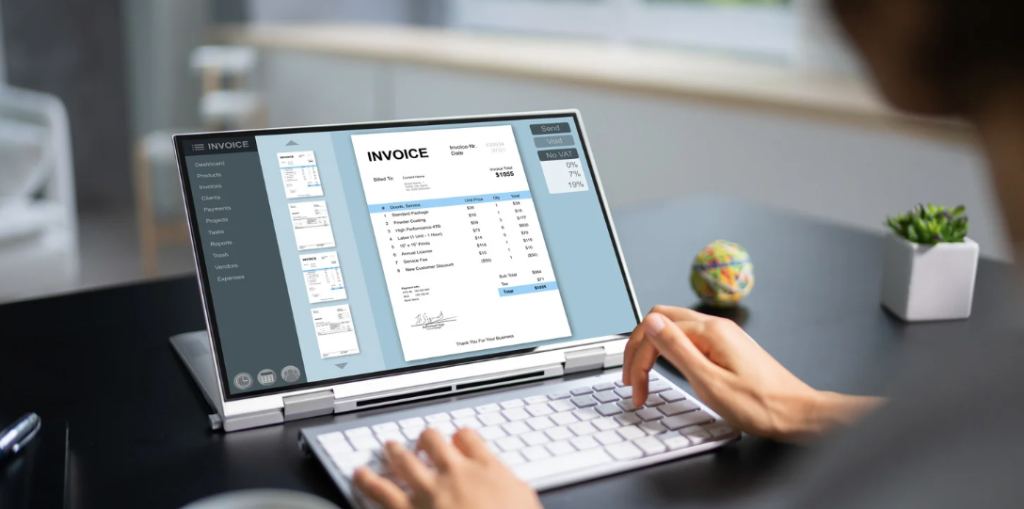
Accurate invoicing is essential for freelancers to avoid payment delays and ensure smooth cash flow. Even small mistakes, such as a missing client name, wrong invoice number, or incorrect amount, can cause significant delays.
Freelancers often rely entirely on timely payments to cover personal expenses, software subscriptions, and project-related costs. Clear contracts and error-free invoices not only protect your financial health but also serve as legal documentation in case of disputes.
Conclusion
Mastering invoicing is essential for freelancers to maintain a steady cash flow and get paid on time. By following these 10 proven invoicing tips, freelancers can create accurate, professional invoices, set clear payment terms, and use automation tools to reduce delays.
Prioritizing invoice accuracy, offering multiple payment options, and following up promptly ensures smoother financial management. Whether you are a small business, consultant, or service provider, implementing these strategies strengthens client relationships, minimizes disputes, and builds a reliable payment routine, ultimately making freelancing more secure and stress-free.
FAQs
Include your details, client info, invoice number, service description, hours, total amount, due date, and payment methods.
Set clear terms, request deposits, use professional invoices, automate reminders, and follow up promptly with clients to ensure timely payment.
Yes, they streamline invoice creation, send reminders automatically, reduce errors, and improve cash flow for timely payments.
Yes, some invoicing platforms allow Bitcoin, USDT, and other cryptocurrencies, especially useful for international clients.
Send polite reminders, apply late fees if agreed, pause work if necessary, and escalate only as a last resort.