

Invoicing is an important part of running any business, serving as both a record of transactions and a tool for maintaining healthy cash flow. Yet, not all invoices are created equal. Depending on the type of service, client, or transaction, businesses may need different invoice formats to communicate charges clearly and efficiently.
Using the right invoice ensures accurate billing, avoids confusion, and speeds up payments.
In this article, we’ll break down nine common types of invoices, explaining when each should be used and why they matter for smooth financial operations.
What is an Invoice?
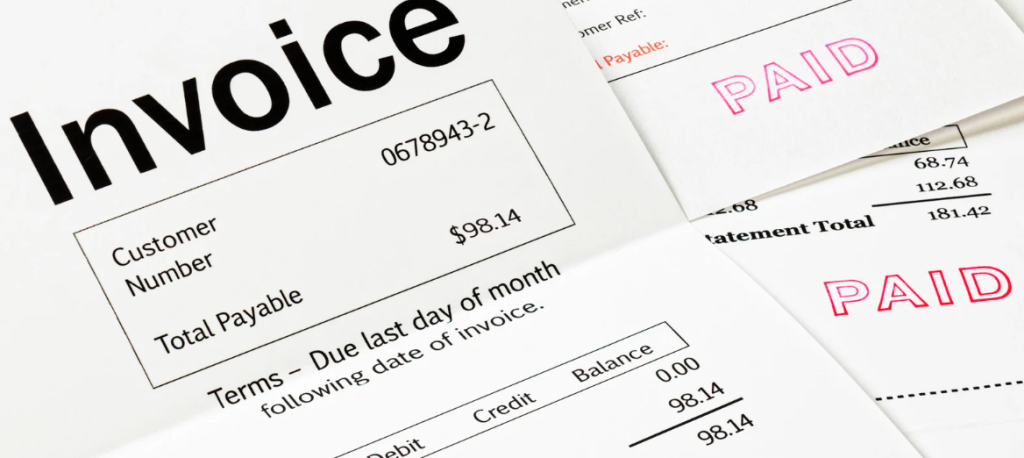
An invoice is a document issued by a seller to a buyer that outlines the products or services provided, along with the amount due, payment terms, and other essential details. It acts as a formal request for payment and serves as a record for both parties, ensuring transparency and accountability in business transactions.
Creating an invoice involves listing the goods or services, their quantities, prices, applicable taxes, total amount due, and payment terms.
If you’re looking for an easy way to create an invoice, you can try out the Createinvoice tool. It allows you to generate professional invoices automatically. It’s free, easy to use, and perfect for businesses of all sizes. With just a few clicks, you can fill in your client details, add line items, and have a ready-to-send invoice in minutes.
9 Types of Invoices, When & Why to Use Them
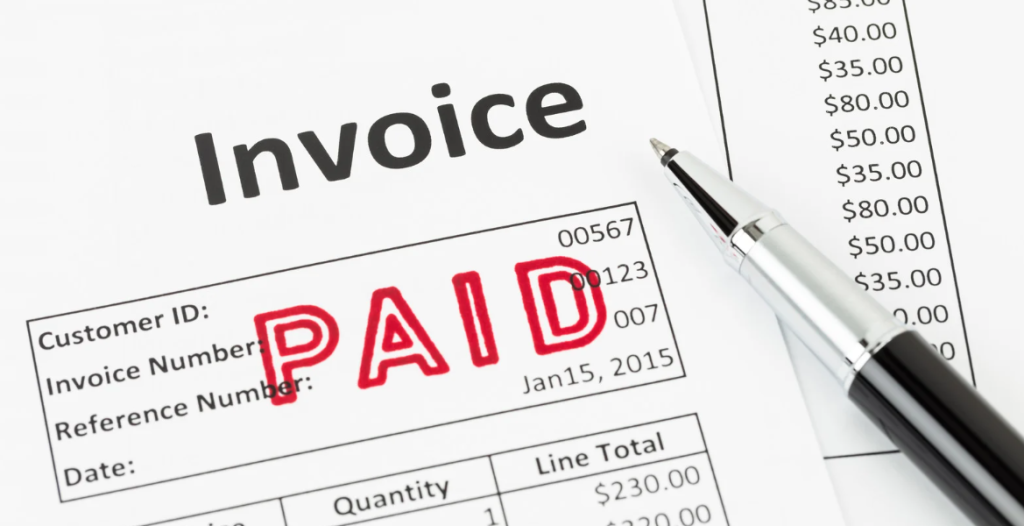
Here are the 9 most common types of invoices, along with the details about when and why you should use them:
1. Standard Invoice
A standard invoice is the most common type of billing document used by businesses to request payment for products or services provided. It clearly lists items sold, quantities, rates, applicable taxes, and the total amount due.
This type of statement is straightforward, formal, and helps both parties maintain accurate financial records.
When to Use It
- For typical product or service transactions.
- When detailed billing documentation is required.
- To clearly communicate payment terms and deadlines.
Why Use It
- Ensures transparency and avoids misunderstandings.
- Provides a legal record for accounting and tax purposes.
- Simplifies tracking of payments and outstanding balances.
2. Credit Invoice
A credit note is issued to reduce the amount a customer owes, usually due to returned goods, overpayment, or granted discounts.
It serves as an adjustment to previous billing, ensuring the client’s balance reflects accurate charges. This type of document helps maintain financial fairness and keeps accounting records precise.
When to Use It
- When customers return products or services.
- To correct overbilling errors.
- When applying discounts or refunds.
Why Use It
- Maintains accurate financial records.
- Builds trust with clients by acknowledging corrections.
- Prevents confusion in future payments or accounting audits.
3. Debit Invoice
A debit note is used to increase the amount a client owes. It often appears after additional charges, extra services, or underbilled items are identified. Unlike credit adjustments, this document ensures that any additional fees are formally communicated and accounted for.
When to Use It
- When extra charges arise after the initial billing.
- To correct underbilling or overlooked items.
- When services require additional payment beyond the original agreement.
Why Use It
- Keeps accounting accurate and transparent.
- Officially communicates additional charges to clients.
- Reduces disputes and misunderstandings over payments.
4. Mixed Invoice
A mixed billing statement combines both debit and credit adjustments in a single document.
This type is useful when a client has both refunds and extra charges to reconcile at the same time. It simplifies accounting by consolidating multiple adjustments into one clear statement.
When to Use It
- When a customer has both refunds and additional charges.
- To consolidate multiple adjustments in one document.
- When simplifying complex billing situations.
Why Use It
- Reduces administrative workload.
- Ensures clients receive a single, clear summary of adjustments.
- Helps maintain accurate records with minimal confusion.
5. Pro forma Invoice
A pro forma statement is a preliminary document sent before goods or services are delivered. It estimates costs, shipping, taxes, and other charges so that clients know what to expect.
While it is not a demand for payment, it often helps with approvals, budgeting, or customs requirements in international transactions.
When to Use It
- Before finalizing a sale or shipment.
- For budget approvals or client estimates.
- To provide documentation for customs or regulatory purposes.
Why Use It
- Gives clients a clear picture of anticipated costs.
- Helps avoid disputes over final charges.
- Streamlines international or large-scale transactions.
6. Commercial Invoice
A commercial statement is a formal document used in international trade, detailing goods shipped, their value, and payment terms.
It is essential for customs clearance and acts as proof of sale. This type of documentation ensures compliance with import/export regulations and facilitates smooth global transactions.
When to Use It
- For cross-border shipments.
- To provide required details for customs authorities.
- When exporting goods with a specified value and terms.
Why Use It
- Ensures smooth customs clearance.
- Acts as legal proof of transaction for international trade.
- Provides detailed financial documentation for accounting purposes.
7. Timesheet Invoice
A timesheet billing document charges clients based on hours worked. It breaks down tasks, hours spent, and rates, making it ideal for freelancers, consultants, or service providers. This method ensures clients pay precisely for the time invested in their project.
When to Use It
- For freelancers or consultants billing hourly.
- When clients need a detailed breakdown of work performed.
- For projects where labor hours determine charges.
Why Use It
- Provides transparency in time-based billing.
- Ensures fair compensation for work done.
- Helps clients understand exactly what they are paying for.
8. Expense Report
An expense report is used to document costs incurred by an employee or contractor on behalf of a client or company. It includes receipts, travel, materials, or other reimbursable expenditures. This report ensures that all out-of-pocket costs are recovered accurately.
When to Use It
- To claim reimbursement for business-related expenses.
- When tracking project-specific costs.
- For transparency in shared expenses between parties.
Why Use It
- Ensures all costs are recovered promptly.
- Provides accountability and proper documentation.
- Helps manage budgets and financial planning.
9. Interim Invoice
An interim billing statement is issued for partial completion of a project or long-term contract.
It allows businesses to receive payments in stages rather than waiting until the project is fully completed. This helps maintain cash flow during lengthy or complex engagements.
When to Use It
- For large projects billed in stages.
- When partial work completion requires payment.
- To maintain a steady cash flow for ongoing projects.
Why Use It
- Reduces financial strain by receiving payments gradually.
- Keeps clients updated on work progress and charges.
- Improves accountability and tracking of project milestones.
Tips for Picking the Right Invoice Type:
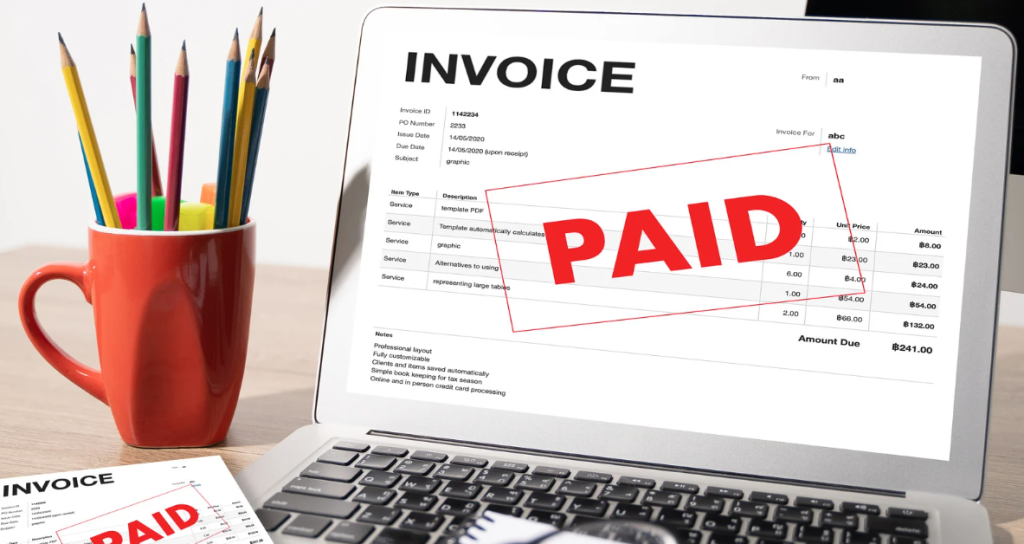
Selecting the appropriate billing document can streamline payments and reduce confusion. Keep these points in mind to pick the right invoice:
- Consider the transaction type: Whether it’s a one-time sale, ongoing service, or reimbursable expense, choose a format that reflects the situation.
- Think about client expectations: Some clients prefer detailed breakdowns, partial billing, or estimates before final payment.
- Align with payment timing: The document should clearly communicate whether payment is immediate, partial, or milestone-based.
- Simplify accounting: Opt for formats that make record-keeping, adjustments, and reporting easier for your business.
Final Thoughts:
There are several types of invoices, and the discussed types are the most common ones. Understanding them is essential for running a smooth, efficient business. Choosing the right format ensures accurate payments, clear communication with clients, and well-organized financial records.
Whether you’re issuing standard statements, pro forma estimates, or timesheet-based charges, matching the document to the transaction and client needs can prevent delays and disputes.
Frequently Asked Questions (FAQs):
A standard invoice is a formal request for payment after goods or services are delivered. A pro forma document is a preliminary estimate sent before delivery, often for approvals or budgeting.
Credit notes are issued when a customer returns items, overpays, or receives a discount. They adjust the amount owed and keep financial records accurate.
Yes, timesheet-based billing works best for hourly projects or consulting services. It ensures clients pay fairly for the time spent on their work.
Interim statements allow businesses to receive partial payments for ongoing or large projects. This helps maintain cash flow and track progress.
A mixed statement combines both credit and debit adjustments in a single document. It’s useful when a client has refunds and extra charges that need to be reconciled together.