

Tax rules for invoicing determine how businesses must document sales, calculate taxes, and report income to tax authorities. An invoice is a legal record that supports tax filings, audits, and payment collection, making accuracy essential.
Businesses must follow specific requirements regarding invoice content, tax calculations, and timing to remain compliant.
These rules apply differently depending on business type, tax registration status, and whether transactions are domestic or international.
This guide explains essential invoicing tax rules to help businesses stay compliant and avoid penalties.
What Is an Invoice?
An invoice is a formal document issued by a seller to a buyer requesting payment for goods or services provided. Beyond its commercial purpose, an invoice is also a legal and tax document used to record income, calculate taxes, and support financial reporting.
Tax authorities rely on invoices to verify sales, assess tax liabilities, and conduct audits. Because of this, invoices must meet specific legal and tax requirements to be considered valid.
Invoices differ from receipts in that they request payment rather than confirm it. In many jurisdictions, issuing a compliant invoice is mandatory for taxable transactions, especially for registered businesses.
Why Tax Rules Apply to Invoicing
Tax rules apply to invoicing because invoices form the foundation of tax compliance. They document when income is earned, how much tax is charged, and who is responsible for paying it.
Governments use invoices to track taxable activity, prevent tax evasion, and ensure accurate reporting of VAT, GST, or sales tax.
Failure to follow invoicing rules can result in incorrect tax filings, rejected deductions, penalties, or audits. Proper invoicing ensures transparency between sellers, buyers, and tax authorities while protecting businesses from legal and financial risks.
Main Information on a Tax-Compliant Invoice
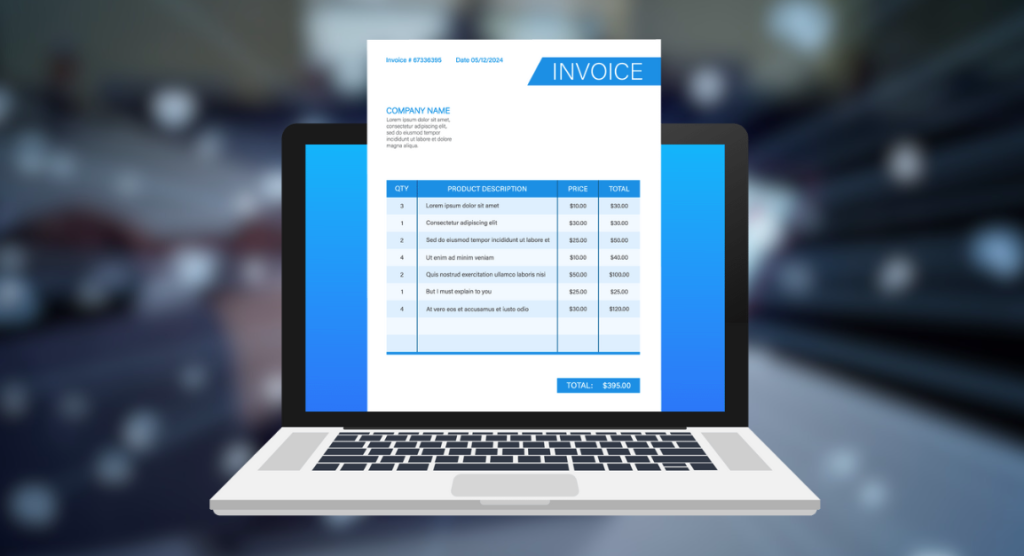
While requirements vary by country, most tax authorities require invoices to include specific details to be legally valid. Common mandatory elements include:
- Seller information: Business name, address, and tax identification number
- Buyer information: Name and address, especially for B2B transactions
- Invoice number: A unique, sequential reference number
- Invoice date: The date the invoice is issued
- Description of goods or services: Clear and specific details
- Quantity and unit price
- Subtotal amount before tax
- Applicable tax rate and tax amount
- Total amount payable, including tax
- Currency used
- Payment terms and due date
Missing or incorrect information can invalidate an invoice for tax purposes.
Common Types of Taxes Applied to Invoices
There are several types of taxes applied to invoices. Some of the main ones are discussed below:
Value-Added Tax (VAT)
VAT is charged at each stage of the supply chain and is common in many countries. Businesses collect VAT on sales and may reclaim VAT paid on expenses.
Sales Tax
Sales tax is typically charged only at the final point of sale to the consumer. Rates and rules vary by region or state.
Goods and Services Tax (GST)
GST functions similarly to VAT and is used in several countries. It is applied to most goods and services unless specifically exempt.
Withholding Tax
In some cases, the buyer withholds a portion of the payment and remits it directly to the tax authority. The invoice must clearly show the withholding amount.
Zero-Rated and Exempt Transactions
Some transactions are taxable at a 0% rate or fully exempt. These must still be properly documented on invoices.
Important Tax Rules to Keep in Mind:
Tax rules for invoicing define how invoices must be issued, what information they should contain, and how taxes must be calculated. Following these rules ensures compliance with tax laws and reduces the risk of penalties or disputes:
- Mandatory invoice details: Invoices must include seller and buyer information, invoice date, unique invoice number, and tax identification numbers.
- Tax registration requirement: Businesses should only charge tax if they are legally registered or required to collect it.
- Correct tax rate: The applicable tax rate must match the type of goods or services and the customer’s location.
- Clear tax breakdown: Tax amounts should be shown separately from the subtotal and total payable.
- Sequential invoice numbering: Invoice numbers must be unique and follow a logical, sequential order.
- Timely invoice issuance: Invoices must be issued within the timeframe set by tax regulations.
- Proper invoice corrections: Errors should be corrected using credit notes or revised invoices, not by editing issued ones.
- Record retention: Invoices must be stored securely for the legally required retention period.
Domestic vs International Invoicing Tax Rules
Taxes apply differently when it comes to domestic and international invoicing.
Domestic Transactions
Invoices issued within the same country generally follow national tax laws, including standard tax rates and reporting rules.
Cross-Border Transactions
International invoicing is more complex and may involve:
- Zero-rated exports
- Import taxes and duties
- Reverse charge mechanisms
- Customs documentation
The buyer’s and seller’s locations often determine which tax rules apply.
Currency and Exchange Rates
Invoices issued in foreign currencies may require exchange rate disclosures for tax reporting purposes.
Tax Compliant Electronic Invoicing (e-Invoicing)
Electronic invoicing involves issuing invoices in a digital format that meets legal standards. Many countries now mandate e-invoicing for certain businesses or transactions.
Key requirements often include:
- Structured digital formats
- Real-time submission to tax authorities
- Digital signatures or authentication
- Secure storage and retrieval
E-invoicing improves accuracy, reduces fraud, and simplifies tax compliance. Create invoices is now helping people create tax-compliant invoices easily. It is a free tool that can create invoices for you within a matter of minutes. It includes all the mandatory fields where you can add tax rates and amounts.
Penalties for Non-Compliance
Failure to comply with invoicing tax rules can lead to serious financial and legal consequences for businesses. Tax authorities rely on accurate invoices to verify transactions, and non-compliance is often treated as a tax risk indicator.
Common penalties include:
- Monetary fines: Fixed or percentage-based fines may be imposed for missing, incorrect, or late invoices.
- Interest on unpaid taxes: Interest can accumulate on underpaid or unpaid tax amounts until they are fully settled.
- Disallowed tax deductions: Improper or invalid invoices may result in denied expense claims or input tax credits.
- Increased audit scrutiny: Repeated invoicing errors can trigger audits or closer monitoring by tax authorities.
- Legal action in severe cases: Serious or repeated violations may lead to legal proceedings or additional sanctions.
Tips to Follow for Tax-Compliant Invoicing:
Here are some tips you can use for tax-compliant invoicing:
- Use reliable invoicing or accounting software to automate calculations and reduce manual errors.
- Keep invoice templates updated to reflect current tax rules and required information.
- Verify tax rates and exemptions before issuing invoices, especially for new or cross-border transactions.
- Issue invoices promptly to comply with legal timelines and improve cash flow.
- Review invoices carefully for accuracy before sending them to customers.
- Maintain organised digital or physical records of all issued invoices and related documents.
Final Thoughts:
Understanding and following tax rules for invoicing is essential for maintaining compliance and avoiding unnecessary penalties. Accurate invoices support proper tax reporting, improve financial transparency, and protect businesses during audits.
By ensuring invoices include all required details, applying the correct taxes, and maintaining organised records, businesses can manage their invoicing processes more effectively.
Frequently Asked Questions (FAQs):
Not all invoices require tax. Only transactions that are taxable or for registered businesses need taxes to be included.
Yes, you can issue an invoice even without tax registration. However, you should not charge tax in this case.
You should issue a corrected invoice or a credit note. Do not edit the original invoice after it has been issued.
Invoices must be stored for the period required by local tax laws, usually between five and ten years. Proper storage helps during audits or tax reviews.
Yes, e-invoices are legally valid if they meet the country’s formatting and submission requirements. They must be secure, authentic, and accessible for record-keeping.